
次世代PETイメージングから標的α線治療へ
― 新たなセラノスティクスの臨床実装を切り拓く ―
From Next-generation PET Imaging to Targeted Alpha Therapy
- Pioneering the Clinical Translation of New Theranostics -
大阪大学 放射線科学基盤機構
臨床展開研究部門
セラノスティクス研究室(渡部ラボ)
Laboratory for Theranostics, Division of Clinical Translation, Institute for Radiation Sciences, the University of Osaka
(Watabe’s Labo)
Associate Professor
特任准教授
Nuclear Medicine Physician

Beyond surface-level styling, we craft interiors that feel as good as they look.
Spatial Identity
Material & Finish Selection
Furniture & Lighting Design
Detail Development

We organize environments around people, movement, and use, creating clarity, comfort, and adaptability.
Functional Zoning
Human-Centered Design
Circulation Strategy
Flexibility & Future Use

We ensure your vision is delivered on time, on budget, and to the highest standards.
Concept Design
Stakeholder Coordination
Quality Control
Budget & Timeline Tracking

We ensure your vision is delivered on time, on budget, and to the highest standards.
Concept Design
Stakeholder Coordination
Quality Control
Budget & Timeline Tracking
We ensure your vision is delivered on time, on budget, and to the highest standards.
Concept Design
Stakeholder Coordination
Quality Control
Budget & Timeline Tracking
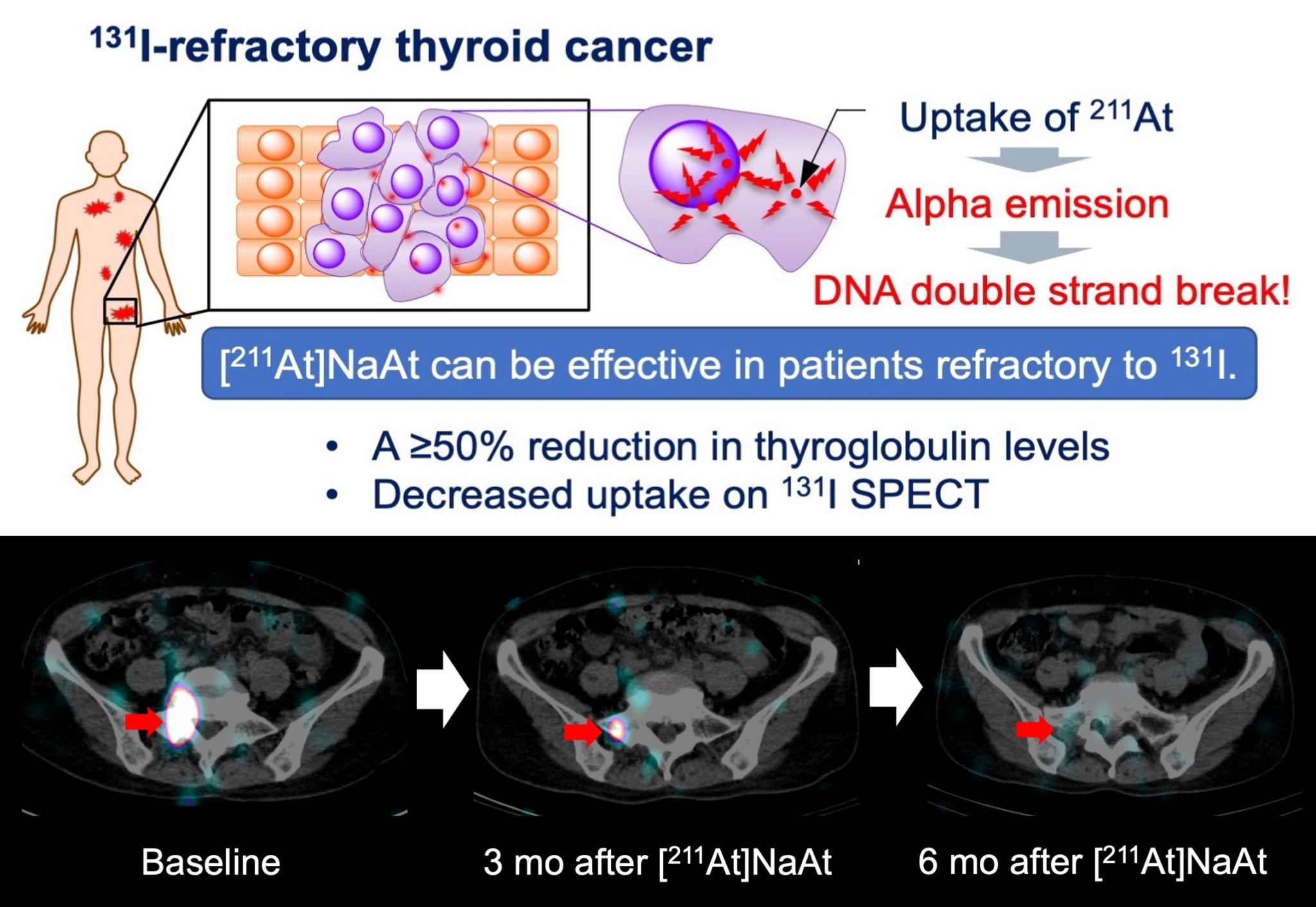
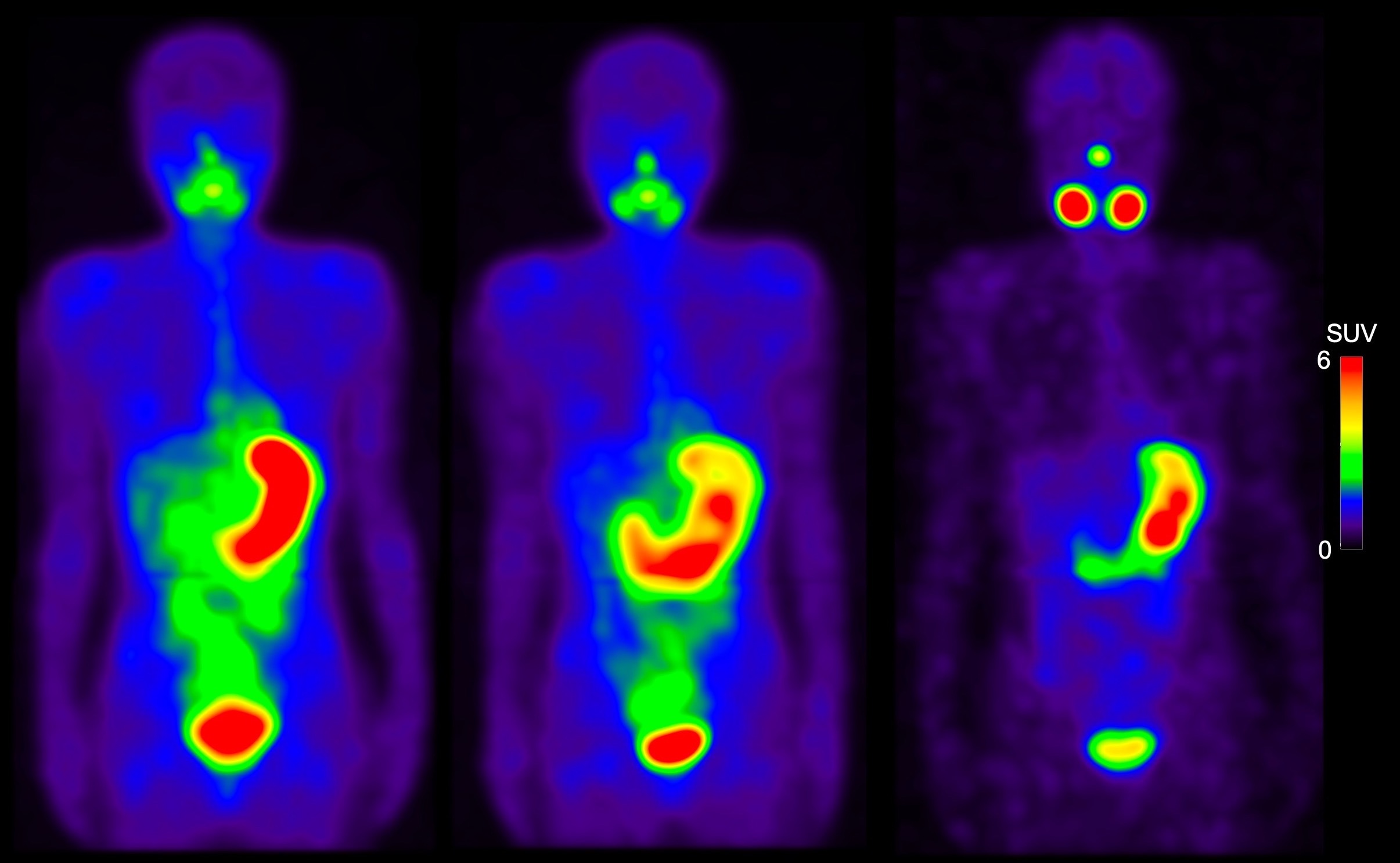
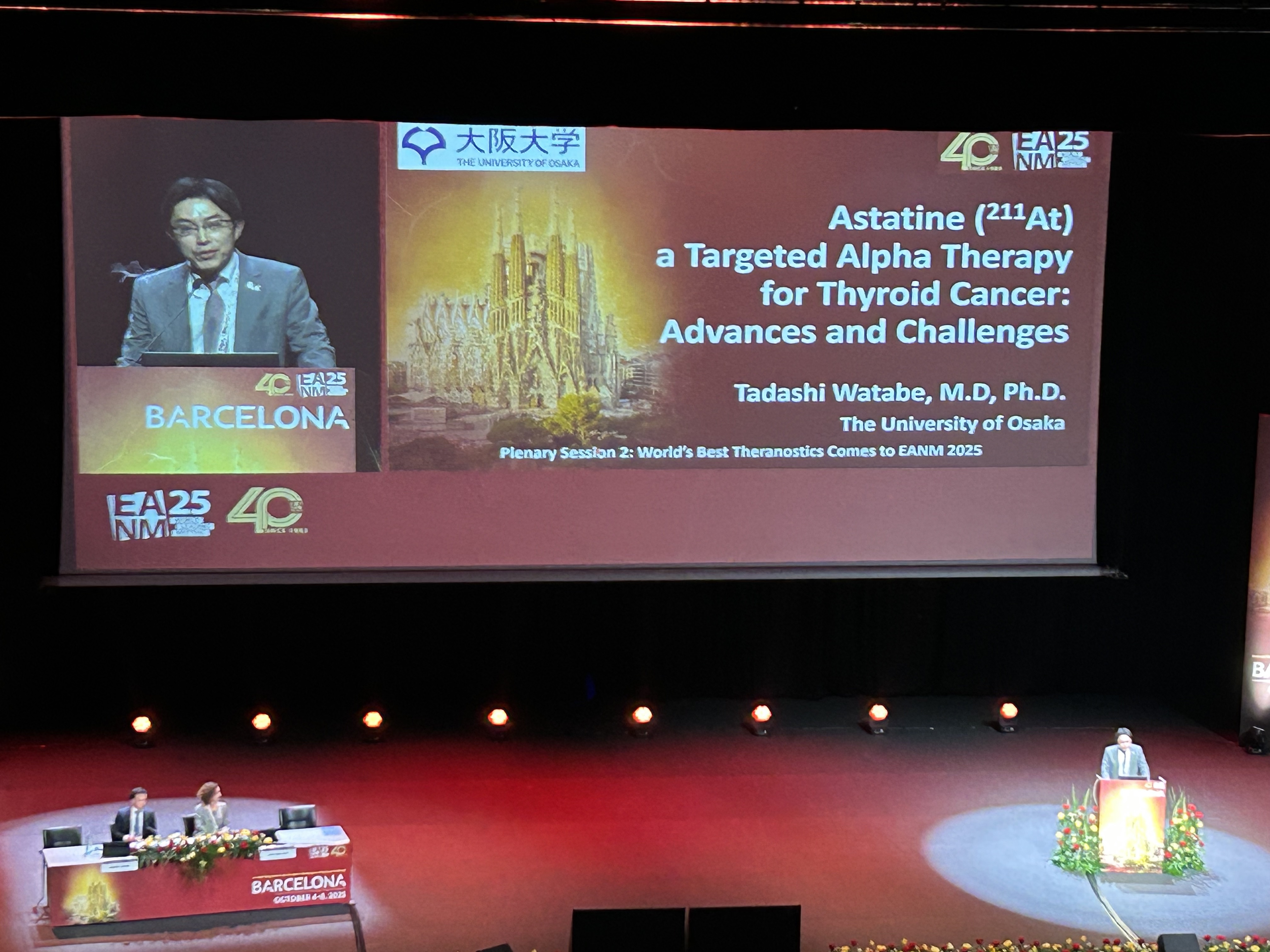
Astatine-211 (²¹¹At) is a cyclotron-produced alpha emitter with a physical half-life of 7.2 hours and can be used as an iodine analogue. Clinical translation of ²¹¹At-based therapy has recently been completed through first-in-human investigator-initiated trial (Alpha-T1 trial). It demonstrated the feasibility, safety, and preliminary therapeutic efficacy of [²¹¹At]NaAt in patients with radioiodine-refractory differentiated thyroid cancer.
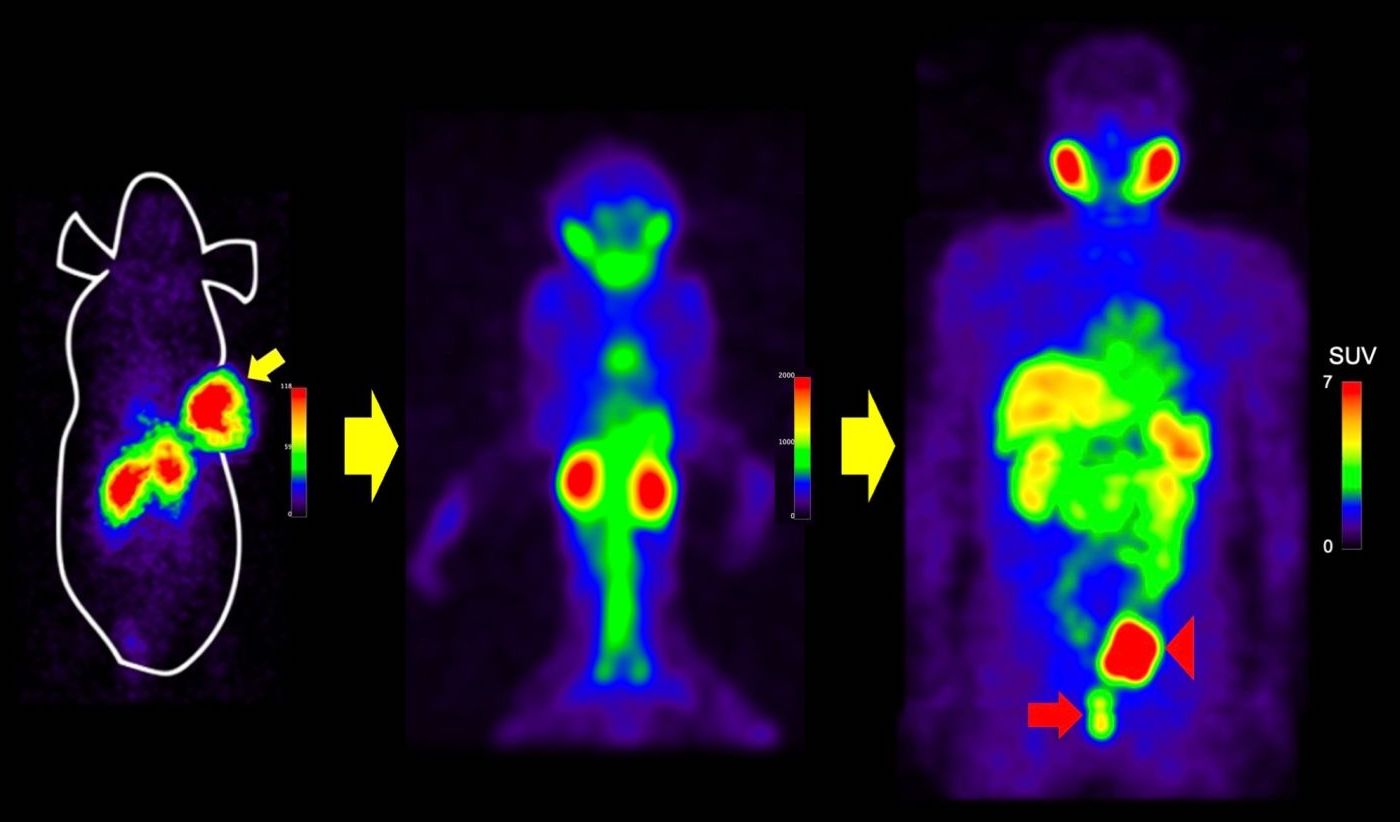
We have developed the alpha-emitting PSMA-targeting peptide [²¹¹At]PSMA-5 in collaboration with Prof. Giesel (University of Düsseldorf). This agent enables highly potent and localized radiation delivery to PSMA-expressing prostate cancer cells. A first-in-human, phase I investigator-initiated clinical trial (the Alpha-PS1 trial) has been conducted at the University of Osaka Hospital since June 2024.

If you would like to join us, please contact us.